
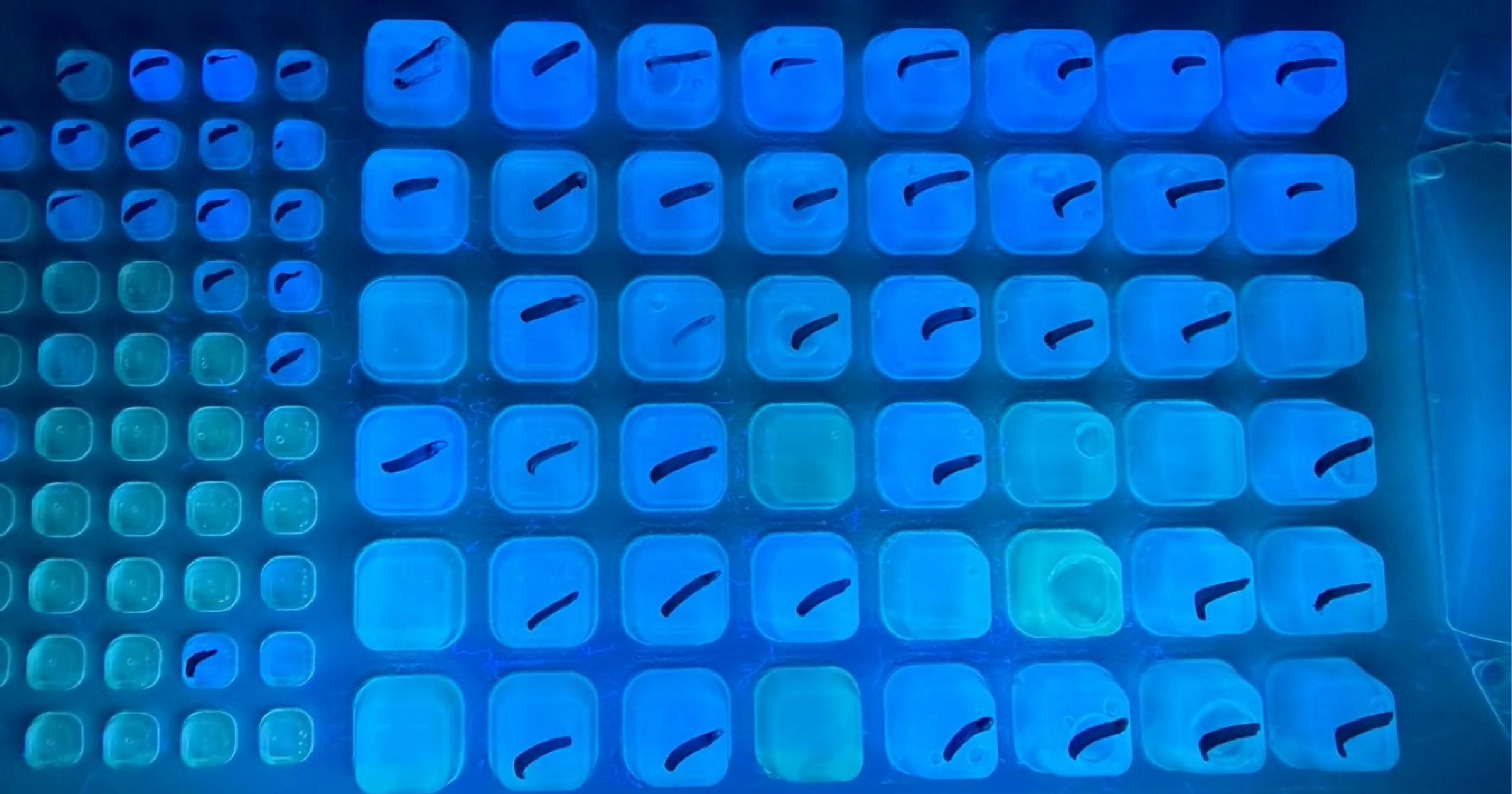
Surfrider Miami’s Blue Water Task Force program is preparing for one of its most significant milestones since its founding: a move to a new dedicated lab space in Miami Beach, made possible through funding and a long-term space awarded by the City of Miami Beach.
While the transition is still underway and the move is not immediate, this announcement marks an exciting step forward for a program that has grown from humble beginnings into one of the most active community water quality monitoring efforts in South Florida.
Where It All Started
The Blue Water Task Force lab has come a long way. What began in the back of First Street Surf Shop and later operated out of a volunteer’s home has evolved into a fully functioning water quality testing program monitoring over 25 sites across Miami on a weekly basis. That scrappy, community-powered origin story is something the team takes pride in and plans to honor in the new space, where historical photos from the early days of the program will be displayed.
What Is Coming
The new lab will be located at 7605 Collins Avenue in Miami Beach in a space the City has committed to the chapter on a long-term basis. This move will consolidate the program’s current operational costs and provide a more stable, dedicated environment for the team of volunteers who collect and process water samples every week.
Beyond the physical space, the new lab represents an opportunity to take the program to the next level. Surfrider Miami is pursuing formal laboratory certification, a process that will require updated testing protocols, enhanced volunteer training, and more rigorous documentation procedures. If achieved, this would make Surfrider Miami the first certified citizen science water testing lab in the United States, a historic milestone for community-powered environmental science.
What It Means for the Community
The Blue Water Task Force exists to protect public health. Every week, volunteers collect water samples from beaches, canals, and bay locations across Miami and test them for enterococcus, a bacteria that indicates the presence of fecal contamination. Results are published publicly at bwtf.surfrider.org so that residents and visitors can make informed decisions about where it is safe to swim, paddle, and recreate.
A dedicated, certified lab strengthens every part of that mission. More rigorous protocols mean more reliable data. A stable space means more consistent testing. And a formal certification means the scientific community and the public can place even greater confidence in the results.
This is a coming soon announcement. The lab transition is still in progress and further details will be shared as the move is finalized. Stay tuned.
Want to help protect Miami’s waters? Join our volunteer team at the Blue Water Task Force.